Summary:
History is more than just a record of past events—it is the foundation of identity, culture, and progress. For LGBTI communities, documenting history is essential for preserving the struggles and triumphs of the past and shaping a more inclusive future. Mainstream narratives have often erased LGBTI individuals, despite having contributed to societies for centuries. By actively recording and sharing LGBTI history, we ensure that their stories are acknowledged, celebrated, and used for advocacy and education.
The story of ILGA World started 47 years ago and has grown tremendously since; now, it stands with a membership of over 2,000 organisations from over 170 countries and territories.
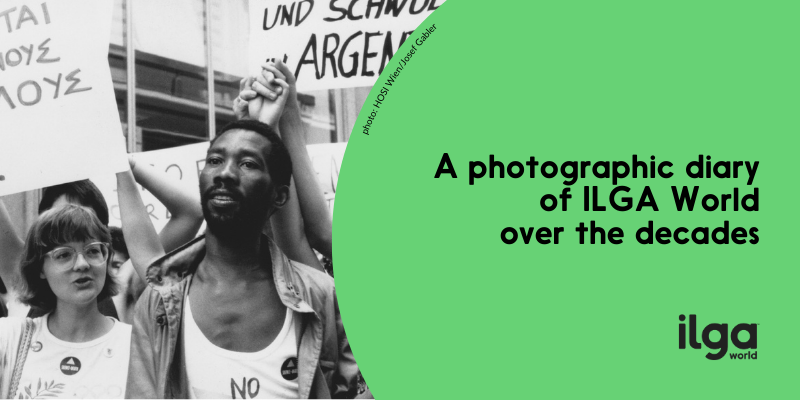
The saying, “An A picture is worth a thousand words”, perfectly encapsulates the outstanding documentation work of Nigel Warner. activist who has been with the organisation since its very beginning, Nigel has now curated the ILGA and ILIS History Collection project, which boasts an archive of over 2,000 photos documenting significant events in the history of our international movement from 1978-1995.
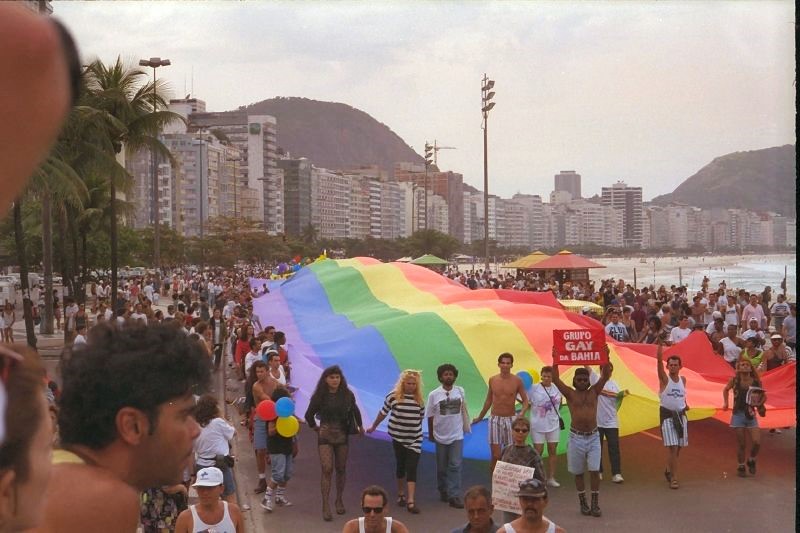
This pivotal curation reminds us of the critical role that documenting our history plays in the inter-generational transfer of knowledge and legacy preservation. For centuries, LGBTI individuals have lived in societies that criminalised or marginalised them. Many were forced to hide their identities, and as a result, their contributions to politics, the arts, science, and activism were either ignored or erased.
LGBTI history is essential for fostering a sense of identity and belonging. The diversity captured in the ILGA and ILIS History Collection project reminds us that representation has always been at the core of communities and today, has even grown stronger. Many young LGBTI individuals grow up without role models who share their experiences, leading to feelings of isolation. A scroll through the archive paints a clear picture of how far our advocacy and engagement efforts have come and gives us a road map for the future.
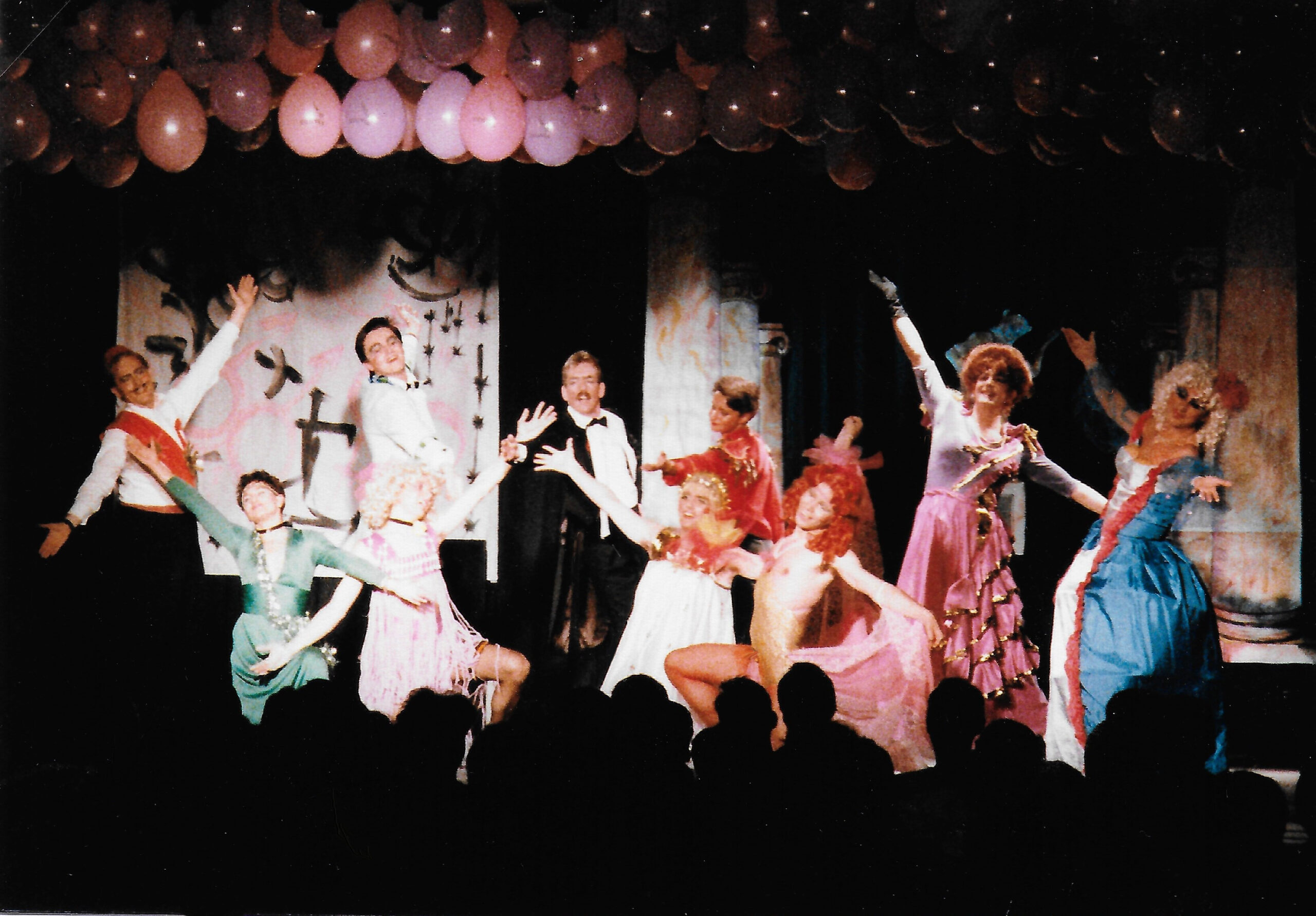
The ILGA and ILIS History Collection project represents more than an act of preservation; it is an act of justice. By ensuring that LGBTI individuals and their contributions are remembered, we challenge historical erasure, empower future generations, and continue the fight for equality and hold space for those who cannot be visible. As society moves forward, it is crucial to recognise that the past shapes the present. Only by understanding where we have been, we can truly chart a path toward a more inclusive and equitable future.
View the ILGA and ILIS History Collection project and share it within your networks!
Many thanks to Nigel Warner and the other holders of photos shared in the collection.
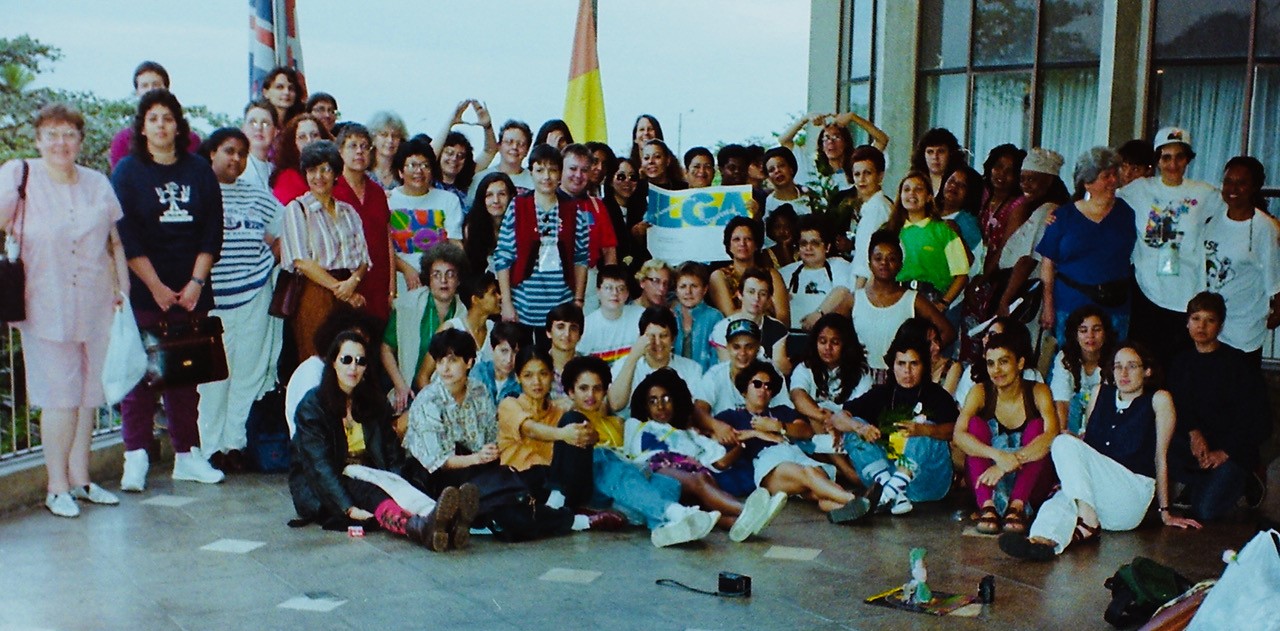
The ILGA and ILIS History Collection in the words of Nigel Warner: a photographic record of international lesbian and gay campaigning from 1978 to the 1990s
1978 saw the birth of the post-Stonewall international gay rights movement. Acting on a proposal by the Dutch organisation COC, some 30 individuals from nine countries and 17 organisations (meeting in Coventry in the margins of the annual conference of the Campaign for Homosexual Equality) agreed to set up the International Gay Association. Now named ILGA World – The International Lesbian, Gay, Bisexual, Trans and Intersex Association, it has more than 2,000 member organisations from 170 countries.
The collection consists of more than 2,000 photographs contributed by 80 former activists. These are displayed in 60 albums documenting particular events or themes. However, it is much more than a photographic record. Individual photographs are supported by contextual information, including contemporary ILGA and ILIS documentation, reports by the lesbian and gay media, and, where possible, details of the contributions of the individuals featured. The collection is further supported by links to histories of ILGA and ILIS, short biographies of some 110 activists from around the world, and links to other background information. It provides the first comprehensive account of the early years of the post-Stonewall international movement.
The collection has been assembled by Nigel Warner, supported by input from more than 100 ILGA and ILIS activists from around the world. Nigel was involved in ILGA from its early years and oversaw its finances from 1987 to 1994. He also served in ILGA-Europe, as board member and treasurer from 2000 to 2005 and as representative at the Council of Europe from 1998 to 2018.