Summary
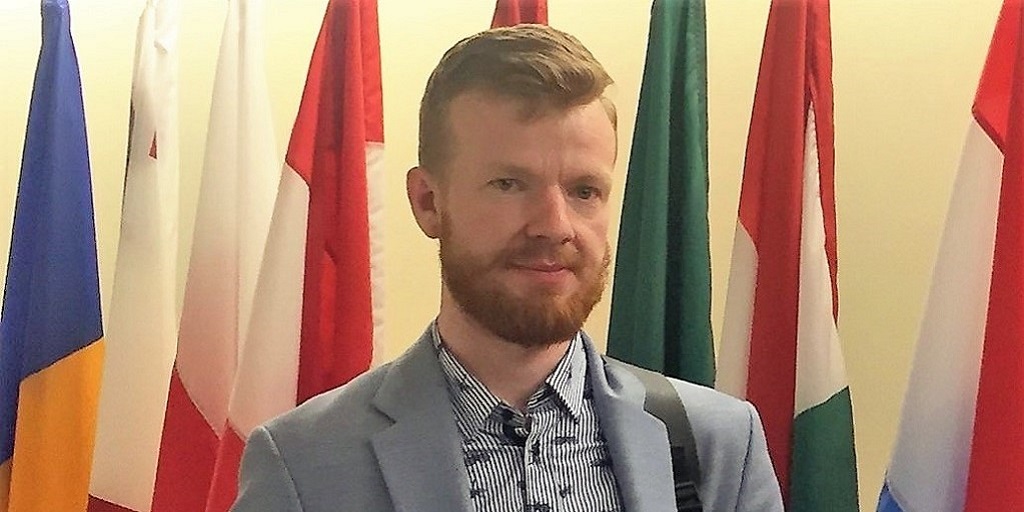
In the second article of ILGA’s #TurnItOff campaign, Aleksander Berezkin shows the connections between intersexan umbrella term for the spectrum of variations of sex characteristics that naturally occur within the human species. Intersex people are born with variations of sex characteristics (such as genitals, reproductive organs, hormonal and chromosomal patterns) that are more diverse than stereotypical definitions of male or female bodies. Up to 1.7% of the global population are born with such traits; yet, because their bodies are seen as different, intersex children and adults are often stigmatised and subject to harmful practices – including in medical settings - and discriminated against. More human rights violations and internalised interphobia. “The first most important step to change this situation begins when we learn to listen to ourselves”
For centuries, society has hushed up the existence of the intersex people. Intersex voices and visibility have always remained in question. So, it is not surprising that intersex people face intersexphobia from birth, and sometimes earlier when intersex embryos are in the womb. Society exposes us to intersexphobia, an institutionalized and systematic violence and discriminationunequal or unfair treatment which can be based on a range of grounds - such as age, ethnic background, disability, and diverse sexual orientations, gender identities and expressions or sex characteristics, amongst others. More against intersex people. It does through such ways as
- Conducting unnecessary surgical operations, silencing the consequences. Medical specialists, personifying the authority of society and science, makes decisions to change the body and to ‘correct’ the sexrefers to the classification of a person as male, female, or other - usually made at birth, written on a birth certificate, and usually based on the appearance of their external anatomy. A person’s sex, however, is actually a combination of bodily characteristics, including chromosomes, hormones, internal and external reproductive organs, and secondary sex characteristics. More of the intersex child for preserving and ensuring their better life. After such surgeries have harmful consequences on intersex persons, such as body trauma, infertility, pain, loss of sexual sensitivity, psychological suffering, depression.
- Doctors, social specialists, parents hide information about intersex issues from intersex people. Moreover, they often recommend to intersex people to keep silent about their sex characteristicsa term that refers to physical features relating to sex - including genitalia and other sexual and reproductive anatomy, chromosomes, hormones, and secondary physical features emerging from puberty. More for their ‘good’.
- Intersex characteristics are stigmatized and described through such concepts as abnormality, pathology, anomaly, mutation, unhealthy, unnatural.
- Intersex people are discriminated on the grounds of their sex characteristics and they are alienated from access to health care, education, public services, employment, and sport.
- Intersex athletes face disqualification only because they have intersex characteristics.
- Intersex people face sexual, physical and psychological abuse, and even physical destruction
- Intersex people are discriminated if they want to change their genderrefers to a social construct which places cultural and social expectations on individuals based on their assigned sex. More markers in different official documents.
Fear, ignorance, lack of information, unwillingness to hear intersex voices: all this leads to intolerable pain, suffering, hatred. Parents, doctors, social workers often do not know how they communicate with intersex people, as if we are aliens from another planet or monsters from nightmares. They want to forget we are people, and we also long for understanding, acceptance, and love.
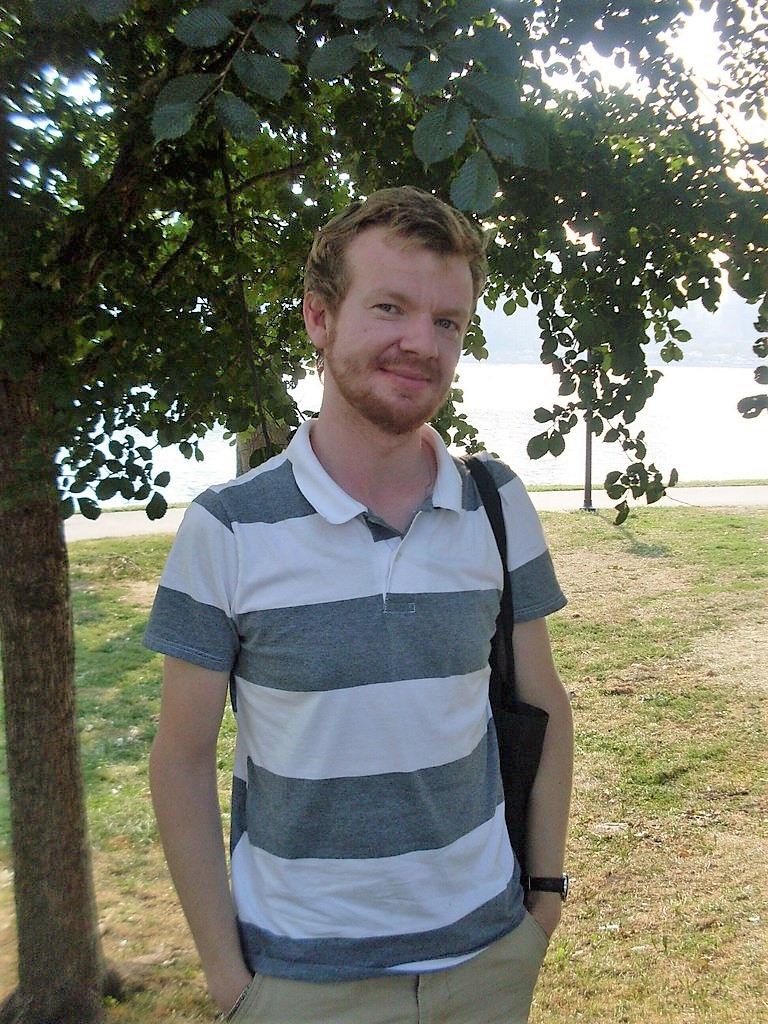
Intersex people live in a situation of estrangement and non-acceptance. We continuously face fear and hate, we start hiding our bodies, our uniqueness. We begin to be ashamed of ourselves. We start denying ourselves that we cannot be like all people, with their unique characteristics. We are afraid to believe that we are human beings too. We get used to societies’ labels and stigmas. We are losing ourselves. It is difficult for us to open up and ask help from other people. We have internalised intersexphobia.
Internalised intersexphobia is a negative attitude of intersex people to their body, to their intersex variation, to their gender identityrefers to a person’s deeply felt internal and individual experience of gender, which may or may not correspond with the sex assigned at birth. More and sexuality, to themselves. Who among us, the intersex people, did not ask themselves: “Am I a monster? What’s wrong with my body? Am I a nature’s mistake? How can I trust others? Who can help me, if they are not intersex? Who can love me?”. All these questions torment us no less than the discrimination from other people.
The first most important step to change this situation begins when we learn to listen to ourselves, our pain. When we learn how to accept ourselves and to start talking about intersex with other people. When we find protection and support. When we help other intersex people. When we find the strength to be ourselves. When we learn to be happy. When we learn to defend our inalienable human rights. When we draw attention to cases of injustice, violence, and discrimination against us, intersex people. When we demand the adoption of laws that protect intersex children from unnecessary surgical operations. When we change the language of communication. When we change the world around us.
We are not alone in our activities. We have loyal allies in the human rights movement, in the campaign for the rights of LGBTQI people, in the academia, in the media, among our friends and relatives. They help us with our resistance and struggle for recognition of our bodily autonomy and integrity, for recognising our intersex identity, for understanding our appearance, for our right to be intersex. We, Intersex people, are in solidarity with our allies in respect of our universal human rights and freedoms, in respect for our human dignity, in destroying silent violence.
Aleksander Berezkin,
Intersex activist, political immigrant
arsintersex.org
This article is part of ILGA’s #TurnItOff campaign, where human rights defenders share their experiences and advice on how to speak up to silence the noise of LGBTI-phobia
Disclaimer: These articles are meant to offer a place for views, ideas and debate. The views expressed by authors do not necessarily reflect the policy of ILGA, or the views of its board members or staff.