Summary
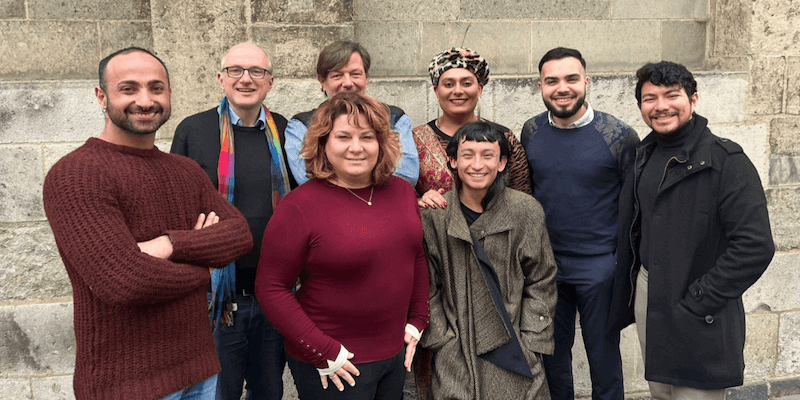
From November 28th to December 9th 2022 the Special Rapporteur on Cultural Rights, Ms Alexandra Xanthaki conducted a visit to Germany to understand how cultural rights are implemented in the country. During the mission, Ms. Xanthaki met with LGBTIQ+ groups in Berlin and Cologne, with the participation and support of ILGA World.
Our Senior Programme Officer on UN Special Proceduresindependent human rights experts within the UN Human Rights Council with mandates to report and advise on human rights from a thematic or country-specific perspective. They are non-paid and elected for 3-year mandates that can be re-conducted for another three years. Special procedures can undertake country visits, and act on individual cases of reported violations by sending communications to States and others. They also engage in advocacy, raise public awareness, provide advice for technical cooperation, and contribute to the development of international human rights standards.
More and Sustainable Development Goals, Guillermo Ricalde, and our Junior Professional Consultant on Human Rights Councilan inter-governmental body within the United Nations which has the responsibility to promote and protect human rights. It is comprised of 47 member States, each elected to 3-year terms by the 193 member States of the United Nations. More, UPR and National Engagement Ahmed El-Salawy supported the coordination of this engagement. They met in person with the Special Rapporteur and the participants.
These meetings brought together LGBTIQ+ human rights defenders, activists, artists, performers, academics and cultural managers working in a very diverse set of topics and communities. The Special Rapporteur had the possibility to listen to these groups’ work, lived experiences, and perspectives to learn more about LGBTIQ+ people’s challenges and opportunities in Germany, including queerpreviously used as a derogatory term to refer to LGBT individuals in the English language – and still perceived as offensive by some - queer has been reclaimed by people who identify beyond traditional gender categories and heteronormative social norms. Although not universally accepted, it is often used as a catch-all to include many people within the larger community of people with diverse sexual orientations, gender identities and expressions, and sex characteristics. More youth and people with refugee and migrant backgrounds. The presence of artists also enriched these meetings since some could show their art and perform for the Special Rapporteur.
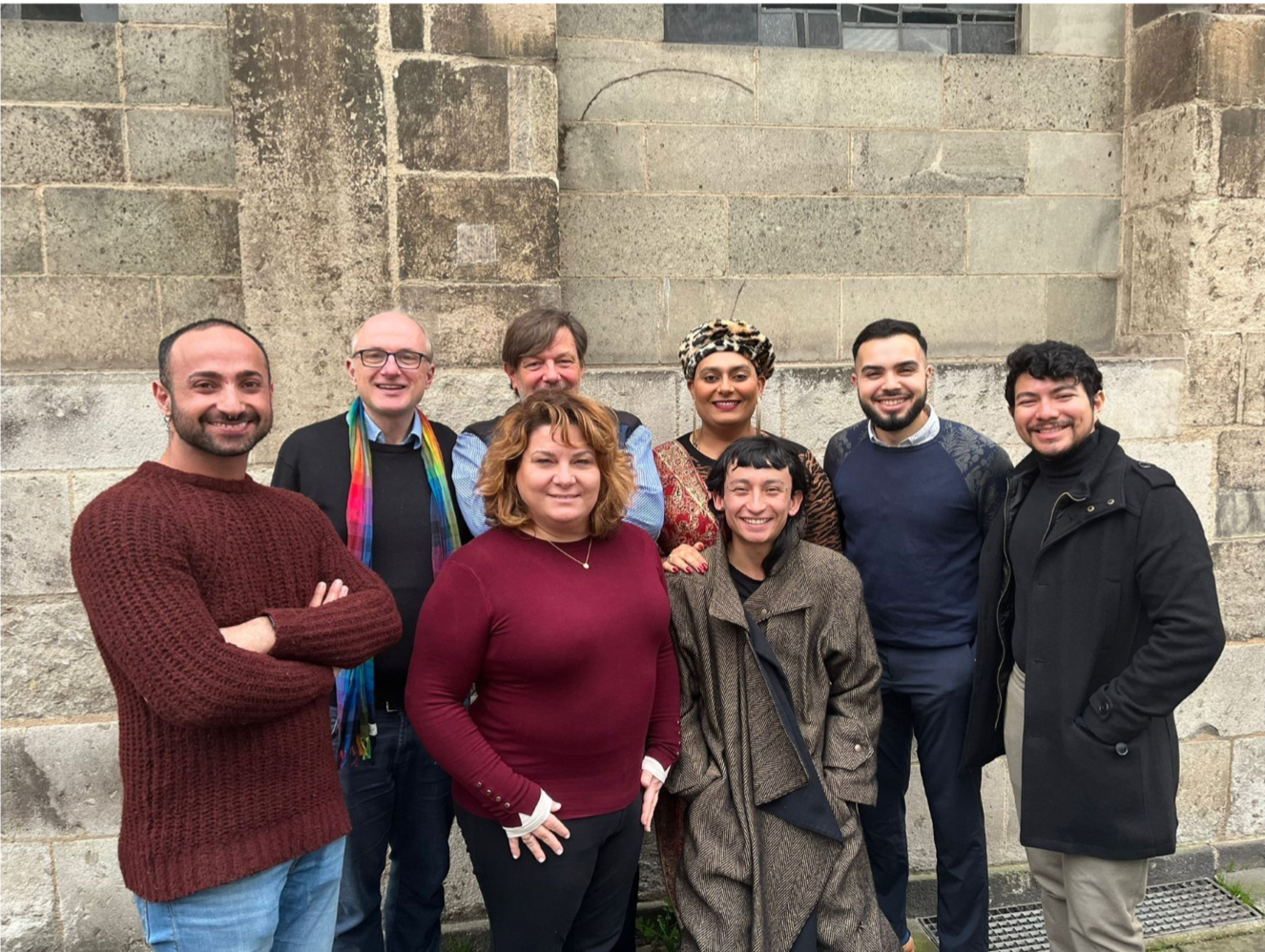
Activists from Germany share a photo with Special Rapporteur, Ms Alexandra Xanthaki (front row center) and ILGA World staff.
Achievements: LGBTIQ+ cultural rights as a successful example
As a result of these meetings, in her end-of-mission statement, the UN expert commended the State’s support of forward-looking initiatives addressing the exclusion of marginalised individuals and groups from cultural life but highlighted that such initiatives have to be coordinated and mainstreamed. “Recent successes in promoting LGBTIQ+ rights could act as a guide for other excluded groups, including migrants and persons facing intersectional discriminationunequal or unfair treatment which can be based on a range of grounds - such as age, ethnic background, disability, and diverse sexual orientations, gender identities and expressions or sex characteristics, amongst others. More,” the expert said.
Ongoing challenges for LGBTIQ+ communities
Among the current issues highlighted by Ms Xanthaki, she mentioned the importance of continuing with initiatives that ensure wide access to culture, since intersectional identities and conditions such as poverty, disability, migration and SOGIESCabbreviation standing for sexual orientation and gender identity & expression, and sex characteristics. More still act as important barriers to access to cultural services and institutions.
She also underlined the prevalence of stereotypes related to LGBTIQ+ communities that continue to exist in German society, which lead to hate speechany kind of communication in speech, writing or behaviour that attacks or uses
pejorative or discriminatory language with reference to a person or a group on the basis of who
they are – including on the grounds of their gender, sexual orientation, gender identity and
expression, or sex characteristics amongst others. More and crime in their more extreme manifestations.
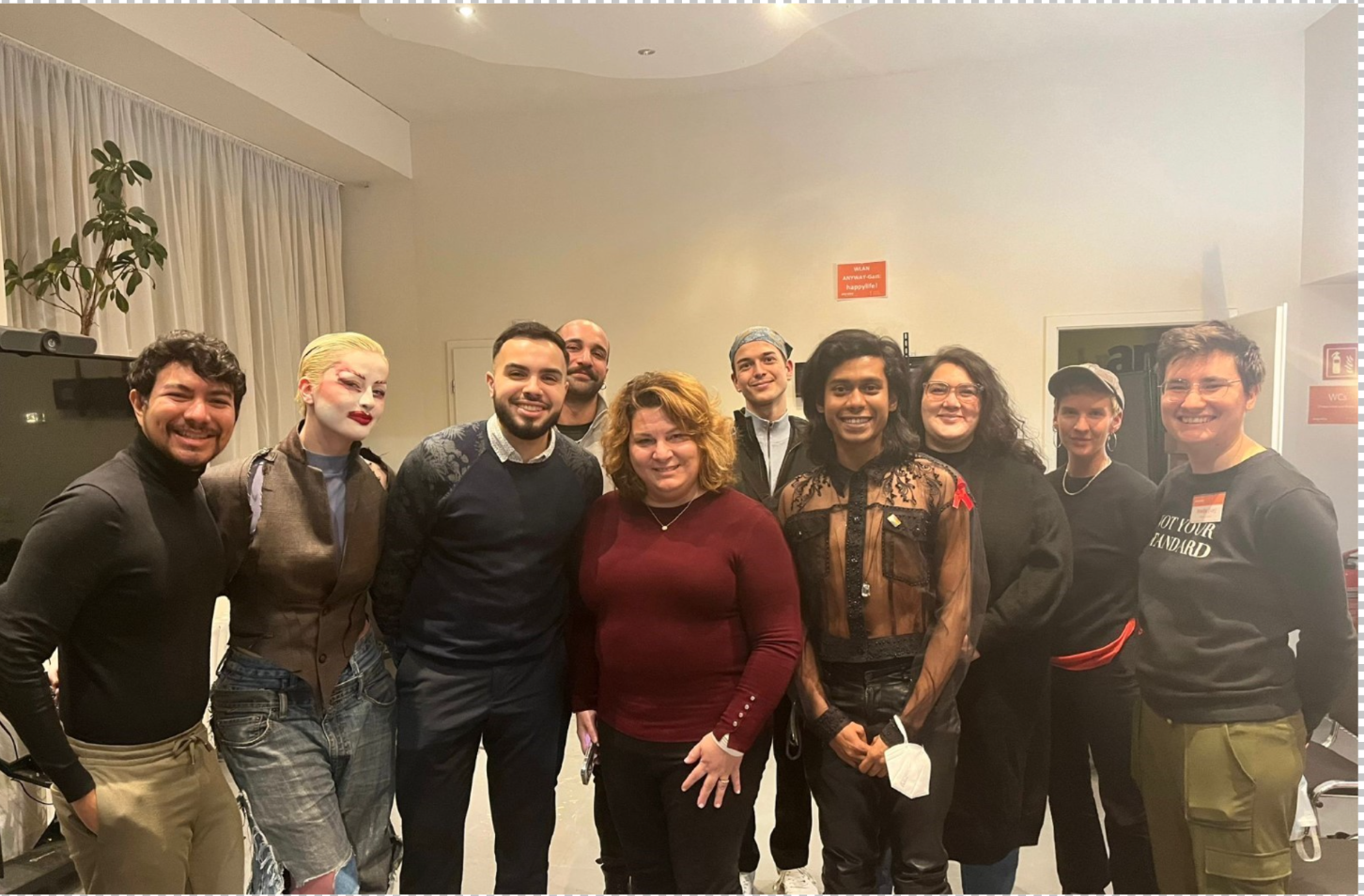
Activists and performers from Germany share a photo with Special Rapporteur, Ms Alexandra Xanthaki (front row center) and ILGA World staff.
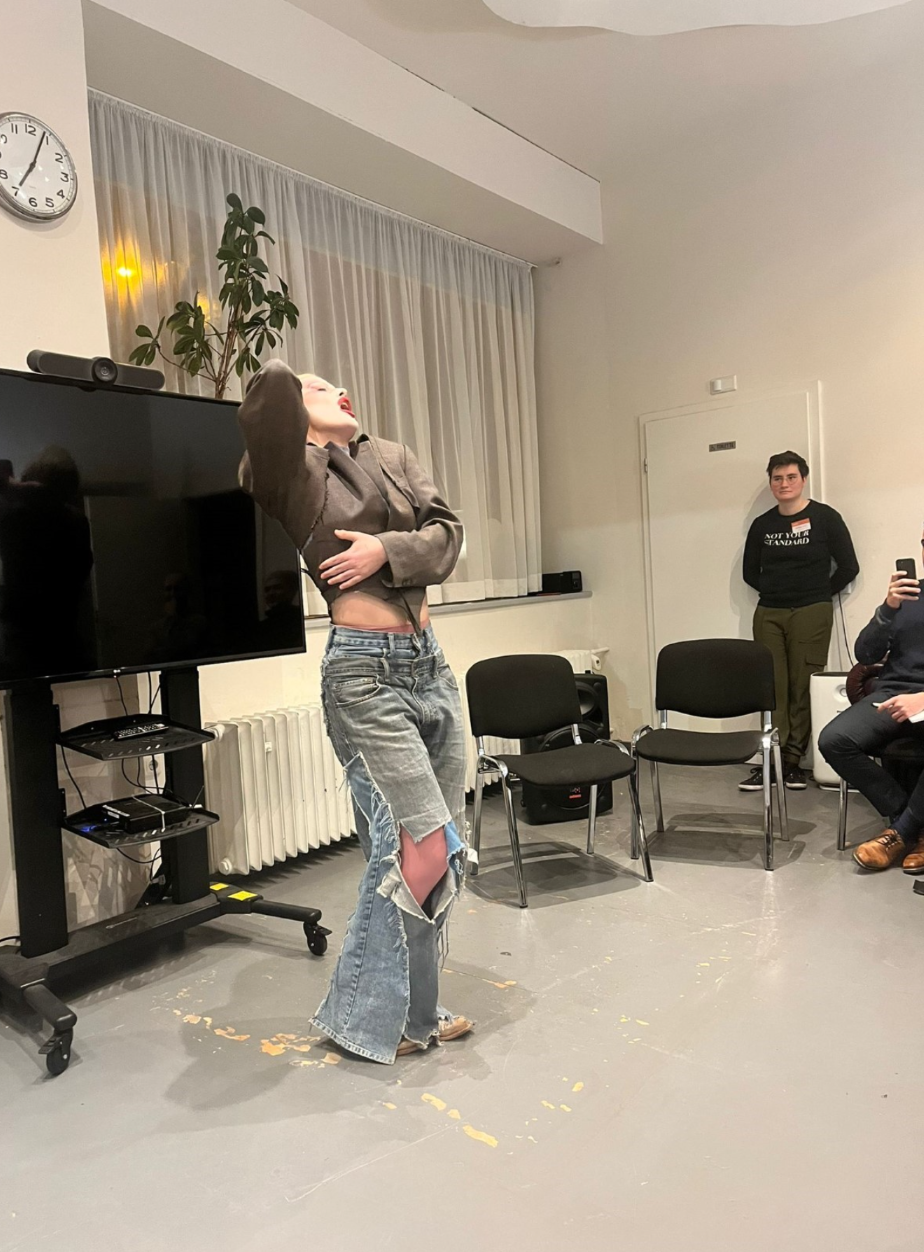
A person performing in front of human rights defenders and others in Germany.
Recommendations
After the conversations with transadjective/umbrella term to describe a person whose gender identity does not match the sex they were assigned at birth. More and non-binarya person who does not identify exclusively as a man or a woman. While many also identify as trans, not all non-binary people do. Non-binary can also be used as an umbrella term encompassing identities such as agender, bigender, genderqueer or gender-fluid. More activists, the Special Rapporteur recommended Germany ensure that the staff of cultural institutions and at all levels of Germany’s administration adopt the gender-neutral language and are further sensitized with trainings on cultural diversity.
Lastly, she also suggested Germany intensify measures in addressing stereotypes of LGBTIQ+ persons portrayed in social media, as a way to counterbalance hate discourse towards our communities.
You can find the full press release here.